
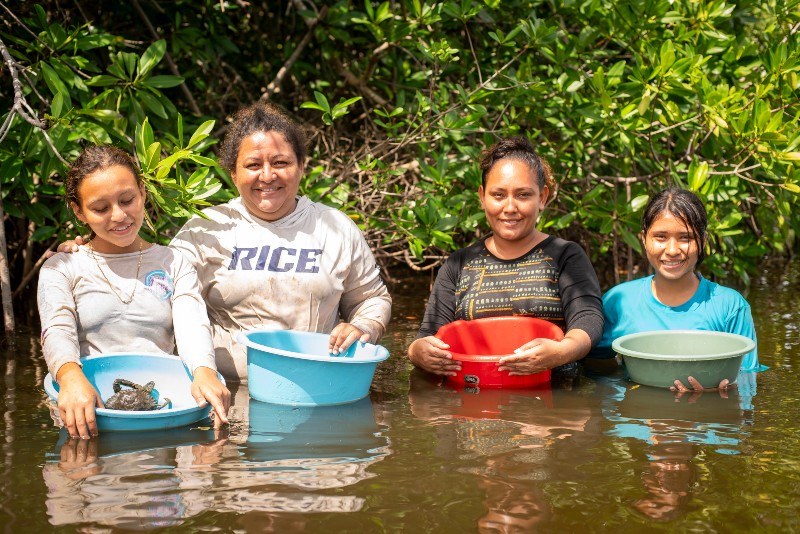

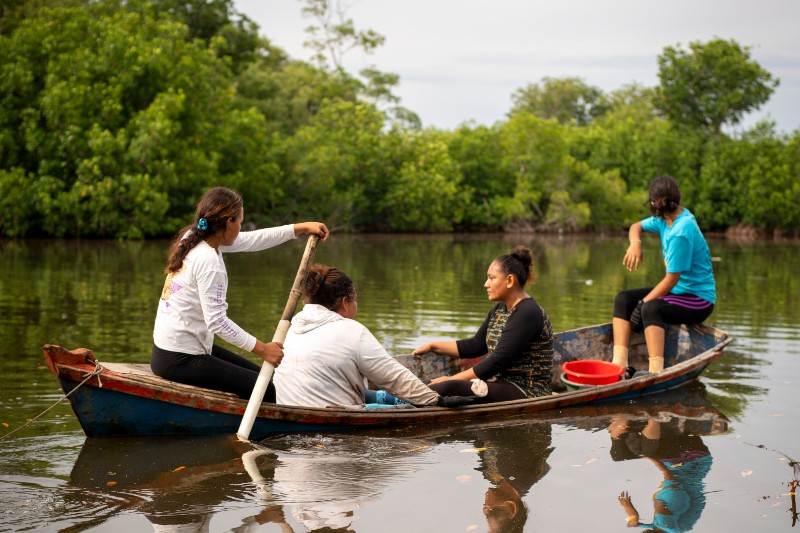
Guardianas del Estuario has had a substantial impact on coastal communities along Guatemala’s Pacific coast by engaging women fishers in research, training, and estuarine ecosystem conservation. The project has enhanced recognition of women’s roles in small-scale fisheries, helped generate scientific information, and encouraged knowledge sharing among communities, academia, and other key stakeholders.

Impact Summary

Strengthening women’s leadership
Fisherwomen actively engage in monitoring activities, workshops, and decision-making processes related to managing estuarine resources.
Data collection on estuarine species and ecosystem dynamics using participatory methodologies, contributing to local scientific knowledge.
University students from various disciplines have participated in field trips, deepening their understanding of estuarine ecosystems and the realities of coastal communities.
The project has formed partnerships with national and international organisations, universities, and collectives, broadening the scope of its actions.

Case Studies

Participatory monitoring with fisherwomen

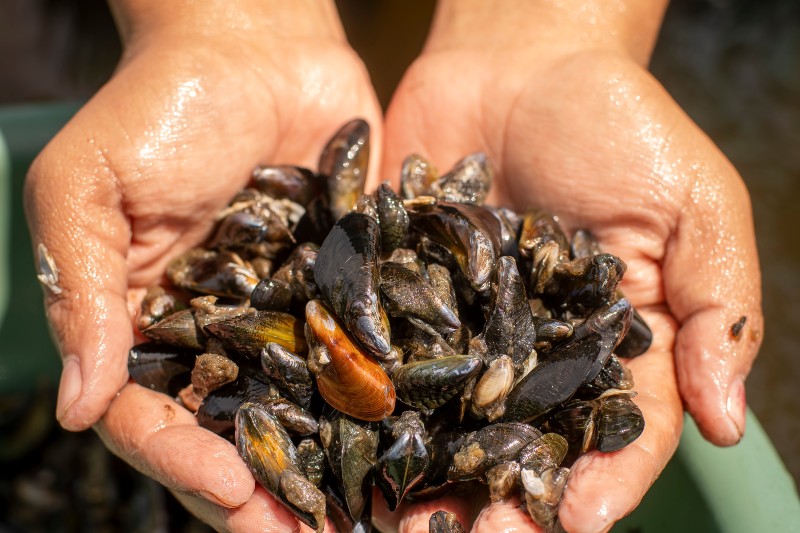
Women from estuarine communities lead monitoring processes of estuarine species, contributing local knowledge and strengthening the generation of scientific data.
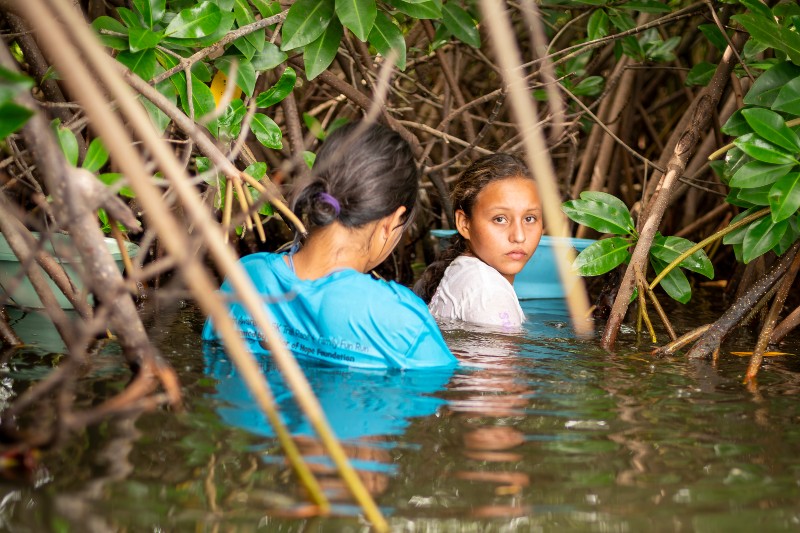
University–community exchanges

Field-based experiences with university students that connect academic theory with practical application.
Participation in advocacy spaces

The project’s presence in national and international forums, conferences, and gatherings, highlighting community-based work and a gender-focused approach to conservation.
Testimonial

A space dedicated to testimonials from women fishers, students, partner organizations, and others connected to the project, reflecting the learnings, outcomes, and transformations generated through Guardianas del Estuario.